

November 28th
||
BOOK NOW
||
November 28th || BOOK NOW ||

Jake Hicks Photography - Colour 2.0 - November 28th 2026
Course: Colour 2.0
Format: In-person small group training event
Duration: Full Day
Price: £399
Date: November 28th 2026
Location: Studio 88 | High Wycombe | London | U.K.

COLOUR 2.0
||
November 28th
||
COLOUR 2.0 || November 28th ||

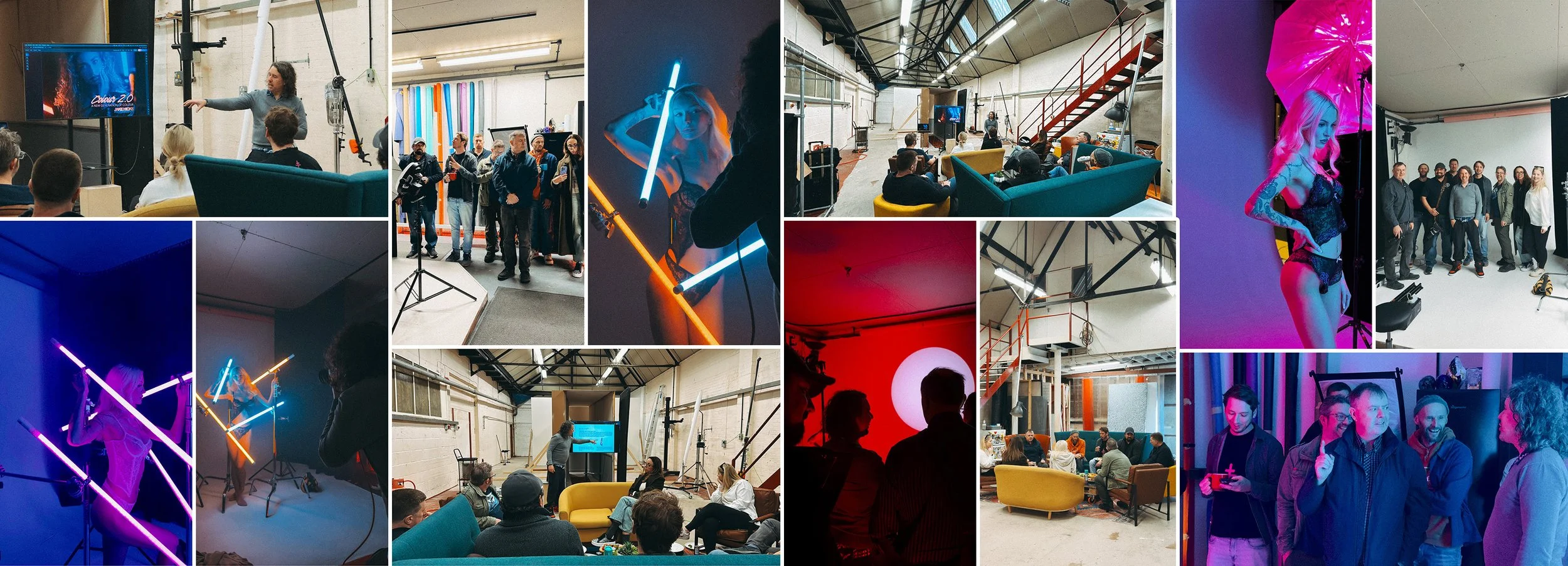
Take a look at some BTS from my last Colour 2.0 Workshop
“ I had the absolute honor of traveling all the way from Vancouver, Canada to attend Jake Hicks’ recent workshop in London, and it was worth every mile. Watching an artist of his caliber work up close was inspiring beyond words. The techniques I learned are the ones I can’t wait to bring into my own boudoir and maternity portraits. What stood out the most was how accessible and clear Jake made the information. He explained it not just in technical terms, but also from a deeply artistic perspective. He doesn’t just tell you where to place your lights; he teaches you how to see and feel the light. How to paint with it. An unforgettable experience that will definitely shape my work. I hope to learn from him again in the future.”
Marrianna. B - BC Canada


Colour 2.0 Workshop & Course
This is my latest workshop and it’s one that I’ve spent the last year or more writing and developing. The reason this workshop has taken me so long to curate and finalise is not simply because it’s my most ambitious and detailed, but because photography and lighting are at a crossroads. Many of us are choosing to embrace the benefits and new challenges of LED lighting, while others are still using flash, as the decision to use either LED or flash isn’t quite as simple as it first appears.
LED or Flash?
Traditionally, coloured light has been achieved via coloured gels, and although I’ve spent over 2 decades refining and perfecting the techniques to master coloured light through gels, they can be limiting.
There are clearly many hundreds of different coloured gels on the market, but most of us likely only own around 20 of them. Today, you can buy almost any RGB LED light and have seemingly limitless colour choices, and even entry-level RGB lights have thousands and even millions of colours all right there at our fingertips. Surely LED lighting is the way to go, then? Not quite, and for many shooters, LED lighting is still falling short regarding power output. Many truly remarkable LED lights are out there today, but many are excellent at one specific task or look. In my opinion, flash still has the edge when it comes to adaptability, and it trades in a lot of refinement for its jack-of-all-trades approach to lighting.
My new Colour 2.0 workshop will be my first workshop where I provide all students with lighting diagrams and setups for both LED and flash lighting, and explain many qualities of light to look out for throughout this course for those using either LED or flash.
All new Lighting Setups
My new Colour 2.0 workshop will feature five completely new lighting setups. They’ll cover many of the more advanced aspects of studio lighting, including how to mix coloured light and pastel colours, and multiple uses for long-exposure in the studio for creative effects.


What we’ll be shooting on the day…
Setup 1
Setup 1 - The Basics of Controlling Coloured Light
This first setup focuses on understanding the basics of manipulating coloured light. How do we get intense colours? How do you avoid mixing coloured lights? How do we establish a strong background colour? And how do we get smooth, clean, and even lighting on the model’s skin without any ugly banding or clipped colour?
Setup 2
Setup 2 - Combining Flash and LED
The second setup sees us exploring some of LED lighting's benefits, including its ability to easily create long-exposure images using colour. This may seem obvious if you’ve tried long exposure with flash, but LED's constant light source and ability to choose from millions of colours make this tricky creative technique much easier. Here we will look at learning how to separate the two types of lighting and, in a single shot, all whilst maintaining intense, vivid colours.
Setup 3
Setup 3 - Dynamic Environmental Long Exposure
This is arguably one of the lighting setups I’m most proud of, as the unique style of images you can create from this technique really stands out. Once again, we mix flash and ambient light to create these impactful, energised long-exposure portraits. One of the key benefits of RGB LED lights is their wide range of colours, and here I show you the power of being able to fine-tune that colour to quickly and easily surround our models with believable environmental light.
Setup 4
Setup 4 - LED Tube Portrait
I’ve mentioned that many LED lights master a single look or effect, whereas flash is a jack-of-all-looks. LED tubes are a great example of this, creating a truly unique type of lighting that only they can produce. Sadly, this technique simply isn’t possible with flash, and although these LED tubes are only really good at one type of look, that look is extremely impactful and engaging. This technique teaches us a lot about managing light drop-off and controlling exposures when very close to the skin.
Setup 5
Setup 5 - LED Tubes and Environmental Light
Our final setup evolves the previous one, and this lighting development opens up a ton of possibilities for not only colour, but also depth and interest in the shot. In our previous setup, we relied heavily on contrast, as our subject seemed to emerge from the shadows; now, with a contrasting colour washed across the image, we can show more of the subject and their styling. This technique also crucially teaches us about my ‘hierarchy of light’ principle, which allows me to mix multiple contrasting colours in the same scene without washing out or destroying the other colours.

Here’s what the attendees of my previous Colour 2.0 workshop said…
"I’ve taken around 3 or 4 courses with Jake over the years, including some online sessions and even a couple of one-2-one Photoshop editing lessons, so I wouldn’t consider myself new to coloured lighting.
That said, Jake’s new Colour 2.0 course is truly a class of its own. It goes far beyond his previous workshops, both in depth and clarity, and with tons of new setup ideas. Spending a full private day with Jake and the amazingly talented model Chloe was an incredible experience.
Jake is not only a creative genius but also a brilliant teacher who is patient, structured, and extremely knowledgeable. Throughout the day, I had countless “aha” moments, realising where my understanding of lighting had been incomplete. I left feeling confident that my lighting will improve significantly as a result of this workshop.
I can highly recommend Jake's new workshop to anyone serious about improving their coloured-gel or LED lighting skills. It’s a deep, transformative learning experience that will undoubtedly elevate your photography skills"
-D. Lampart - Geneva. Switzerland
“I had a great time at Jake’s Colour 2.0 course - the depth of knowledge and experience he shared was fantastic, and it’s set a great foundation for exploring coloured light that I’m very excited to start experimenting with. The course was extremely thorough with plenty of time to ask questions and get some fantastic shots.”
-Sarah. M - Berks UK
“Jakes colour 2.0 workshop was great! Super detailed, with a huge amount of information, and Jake answered every question I had. It was so beneficial to see everything being worked through in person, seeing every little detail and refinement to really fine tune lighting for incredible shots. I feel it took my confidence and skill to a new level. Thank you so much Jake!“
T. Hammond - Norwich. UK
“Having spent years following and admiring Jake's work online and watching his generous videos he puts out I decided to bite the bullet and travel up to the Colour 2.0 workshop with no real expectations hoping to pickup some tips.
I came away with not just a few tips but many Aha! moments. I feel much more confident in coloured lighting, the science behind it of which Jake has clearly spent a lot of time experimenting and understanding, plus a large shopping list of new toys to buy. A very relaxed atmosphere and fun day, can't wait to sign up to the next one.”
James. P - Somerset U.K.
“It is such an enjoyable experience to take an online workshop with Jake! On the one hand, he is a genuine expert in the use of color in photography, but on the other, he is personable, down-to-earth, listens carefully, and shows genuine respect for the photographer on the other end (me!) In the Colour 2.0 workshop, he explains his philosophy of beauty in photographs and demonstrates the difference between clean and not-so-clean lighting. He clearly explains how to achieve the clean kind and then walks through several potential studio setups that use it.
The online workshop experience like spending time discussing color and photography with a knowledgeable friend rather than sitting and listening to a dry lecture. I learned a lot, am eager to put it into practice, and expect my future shoots will move a little in the direction of the kind of polish that Jake’s always show. Whether you will be using strobes, LEDs, or both, if you want intentional color in your photos, I highly recommend this workshop!”
-Webb .S, Boson U.S.A
“I had the absolute honor of traveling all the way from Vancouver, Canada to attend Jake Hicks’ recent workshop in London, and it was worth every mile. Watching an artist of his caliber work up close was inspiring beyond words. The techniques I learned are the ones I can’t wait to bring into my own boudoir and maternity portraits. What stood out the most was how accessible and clear Jake made the information. He explained it not just in technical terms, but also from a deeply artistic perspective. He doesn’t just tell you where to place your lights; he teaches you how to see and feel the light. How to paint with it. An unforgettable experience that will definitely shape my work. I hope to learn from him again in the future.”
-Marrianna. B - BC Canada
“I found the ‘Colour 2.0 Workshop’ to be both engaging and informative, covering a solid amount of both theory and practical elements. Lots of good knowledge and experience to be taken from this, regardless of your current level - and some good images captured in an enjoyable environment!”
P. Watson - Shepley UK
“The day was such a great experience, you have a great way of breaking down each idea and setup in a way that just makes it so simple. I felt comfortable to ask any questions and had plenty of time to shoot in each setup. Your passion for experimenting with colour and different setups is infectious and I left feeling confident and excited not only to see the results but to also have fun experimenting within my own work. I have done one of your gels workshops before and this new course feels fresh, exciting and a great boost in my knowledge and understanding. I cant wait to put it into practice!”
Lucy C. - Brentwood UK

What’s Included?
As with all my workshops and courses, all students will receive a complete PDF of notes covering the topics, along with all my lighting setups, diagrams, and behind-the-scenes photos. Plus, all attendees will receive a pack of my Lightroom Presets specifically designed for the lighting setups covered in this workshop.
Included with this lighting workshop…
Comprehensive 77-page PDF of workshop notes
Studio lighting kit list
All 3D lighting diagrams for setups - including both LED and Flash Setups
10 Lightroom Presets specifically for the lighting setups taught in this workshop


More Lighting Course than Lighting Workshop
This may seem like an odd distinction to make, but I really do want to reiterate just how much knowledge I’ve packed into this course. There’s absolutely nothing wrong with your regular workshops where you turn up and simply photograph what’s been laid out in front of you. After all, taking great photos is all any of us wants to do. However, I want to emphasise that the primary purpose of all my lighting courses and workshops is to equip you with the skills and knowledge to confidently walk away on the day, able to recreate any of these setups yourself.

As with all of my workshops, everybody will receive a comprehensive PDF of notes, and my Colour 2.0 course is no different. In fact, this is my most detailed PDF to date in that it’s packed with 77 pages of lighting and colour knowledge! That, of course, includes lighting diagrams and setups for both flash and LED lights, but it also houses a ton of coloured light information like coloured-light mixing cheat-sheets, colour theory on what coloured lights mix and when to use them, along with my own thoughts on why and when to use coloured light. The Colour 2.0 course notes are a photography lighting book in their own right!

Some Frequently Asked Questions
Is this course right for you?
The foundational core of this workshop is to explain and show you numerous coloured lighting techniques that may be new to you in this modern era of coloured light. Yes, a large part of the workshop will be spent using LED lighting as that's where I see the future of studio lighitng going. The ease and convenience of millions of colours at your fingertips is simply too great to ignore, and with LEDs getting brighter and brighter with each passing month, there are simply fewer and fewer reasons not to use them. That said, I’m using standard off-the-shelf LEDs, and everything taught here uses fairly standard and inexpensive modifiers that you either already own or are easy to get hold of.
What about your skill level?
Your experience and knowledge are not an issue either, as I thoroughly explain everything I’m doing on the day, and I’ll be with you the entire time you’re shooting to ensure you get the best possible shots you can. At no point are you left to wander off and shoot by yourself, and I’m there the entire time to answer any questions you may have.
What kit do you need to bring?
All you will need to bring is a digital camera that has a hot-shoe (where the flash/flash-trigger goes) and your favourite lenses. For this Colour 2.0 workshop, I recommend a zoom lens to cover all aspects of both close and wide shots. For example, bringing both a 24-70mm plus an 85mm prime lens (if you have it- don’t worry if you don’t), and that will comfortably cover everything on the day. You don’t need to bring any lighting gear as we will be using all my gear on the day.
Will lunch be provided?
Yes, lunch and snacks will be provided. If you have any dietary requirements, please let me know, and I’ll do my best to get the catering company to accommodate.
Where will the course be held?
In recent years, I’ve been using Studio 88 in High Wycombe. It’s situated just outside London, making it a convenient space for both those living in London and those outside London to travel to. High Wycombe is only 30 minutes from Marylebone Station, and the studio is a walkable distance from the station or a 5-minute cab ride away.


